.png)
Electrolytic cells
What they are
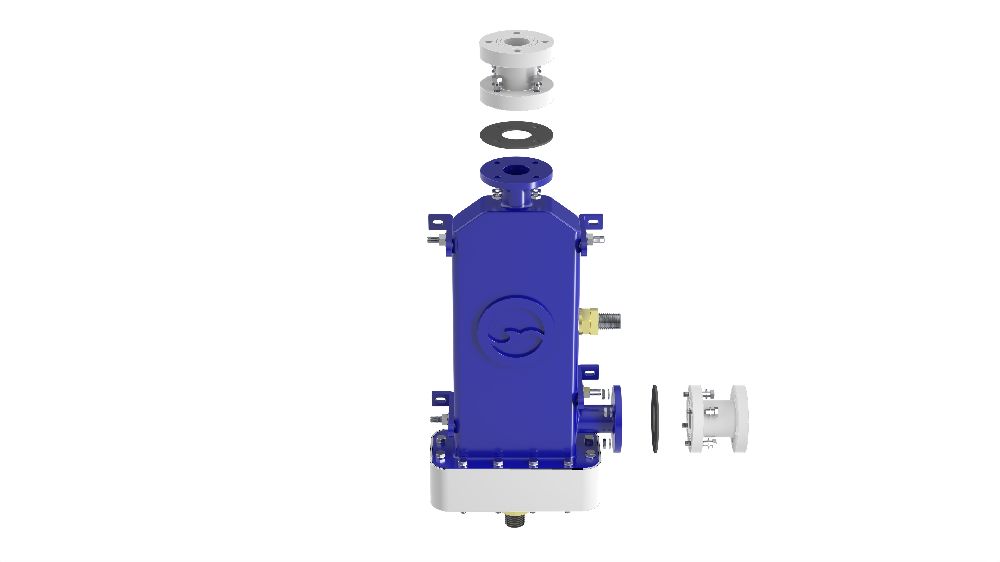
Electrolytic cells are devices manufactured by Tecnoseal to produce chlorine for the disinfection and cleaning of seawater circuits, with a view to preventing the formation of marine fouling.
The chlorine production process makes use of the high salt content present in seawater.
The cell’s function is therefore to break the chlorine-sodium bonds present in seawater by applying a potential difference between an activated titanium plate and a ferrous cathode.
They are typically used on commercial or passenger ships.
Tecnoseal’s R&D department is developing very compact systems for use on pleasure yachts.
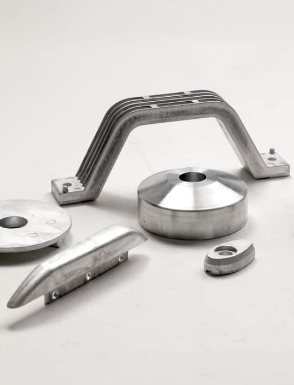
What they protect against
Electrolytic cells are used to prevent the formation of marine fouling in seawater circuits. Their current design has been developed for installation on commercial vessels.
Although they do not serve a cathodic protection function, they are essential for keeping the seawater circuit pipes clean.
The reader is referred to the information brochure for further details.
The way we manufacture them
They are manufactured in-house by Tecnoseal; the metalworking, laser-cutting and assembly departments successfully meet customers’ specific requirements within very short timeframes.
Why you should choose Tecnoseal
Tecnoseal electrolytic cells offer significant advantages in terms of safety and installation. Various plastic components ensure electrical insulation, whilst the inclusion of brackets and slotted frames guarantees easy installation in new systems or as a replacement for worn-out units in existing systems, without compromising electrical insulation.
As the overall dimensions and flow rate of the seawater system vary, so does the amount of chlorine required to be diluted in the circuit.
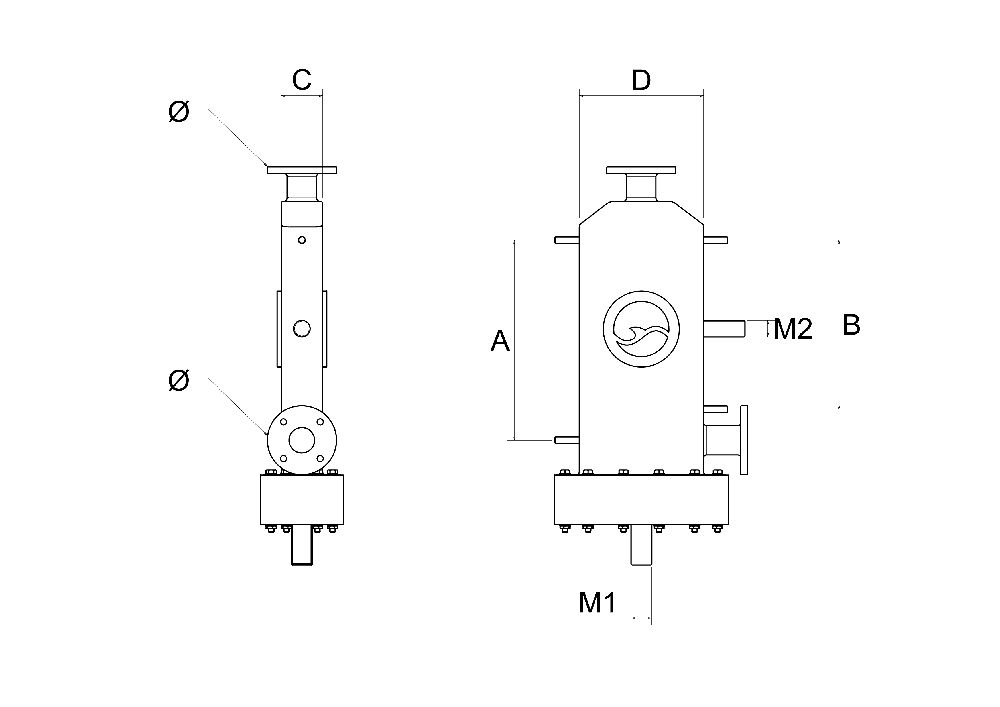
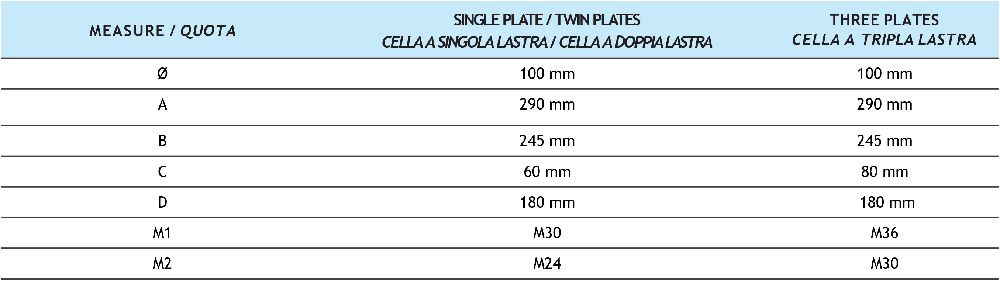
To ensure efficiency under all conditions, Tecnoseal manufactures three types of cells that differ in the number of activated titanium plates.
The overall dimensions of the cells vary as shown in the table below.
Would you like more information about this product?
Electrochlorination
Electrochlorination is an effective process for combating the proliferation of micro- and macro-fouling within a large seawater circuit. The process involves the production of chlorine by applying a direct current to one or more activated titanium plates. To produce chlorine, the activated titanium plates must be installed in an electrolytic cell through which the saline solution flows. The chlorine generated within the cell is continuously distributed along the desired section of the seawater circuit and diluted as required by the design, ensuring the correct diffusion of the active agent.
Electrical Insulation
A key feature of Tecnoseal electrolytic cells is their electrical insulation, which ensures the system operates optimally and keeps operators safe.
In addition to insulating sleeves made from dielectric material, Tecnoseal also produces an insulation system for the anchor bolts, thanks to which the cell is completely insulated from the panel, which is generally in electrical continuity with the bulkhead.
The inclusion of movable, slotted mounting brackets allows installation in various positions and at varying distances from the panel.
All these features ensure easy installation, without compromising on electrical insulation and with minimal intervention on the piping system when replacing worn-out units in existing installations.